

Laser cutting materials: wood, acrylic, leather, paper and what never to cut
Reading time: 6 minutes.
The material decides how a design looks, which machine settings you need and whether it is safe to cut at all. This guide covers the materials most laser products are made from, and the ones that must never go in a laser.
Run a material test on every new sheet before a real job: two sheets of the same name can behave differently.
On this page (7)
1. Wood: plywood, MDF and hardwood
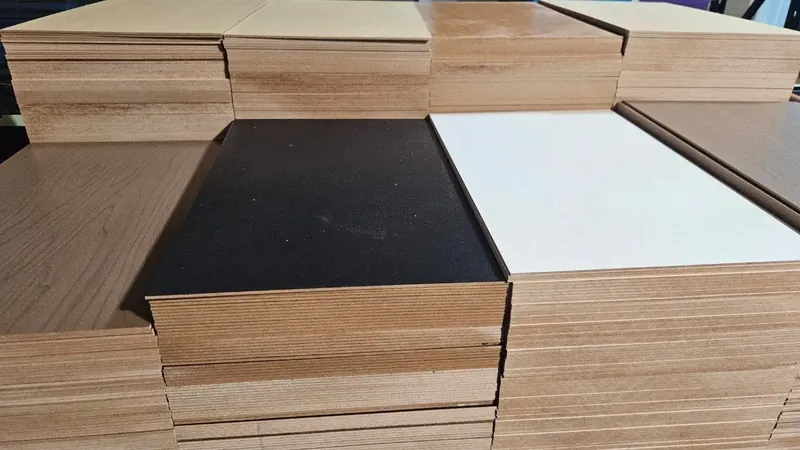
- Birch and basswood plywood cut cleanly and engrave with good contrast. Buy laser-grade plywood: hidden glue pockets or knots in cheaper sheets stop the cut in places.
- MDF cuts evenly with no grain, and paints well. It makes more smoke and leaves dark edges.
- Solid hardwoods such as walnut, cherry and maple engrave beautifully. They are harder to cut thicker than a few millimetres.
- Smoke marks: cover the surface with masking tape or transfer tape before cutting, and peel it off afterwards.
2. Acrylic: cast and extruded
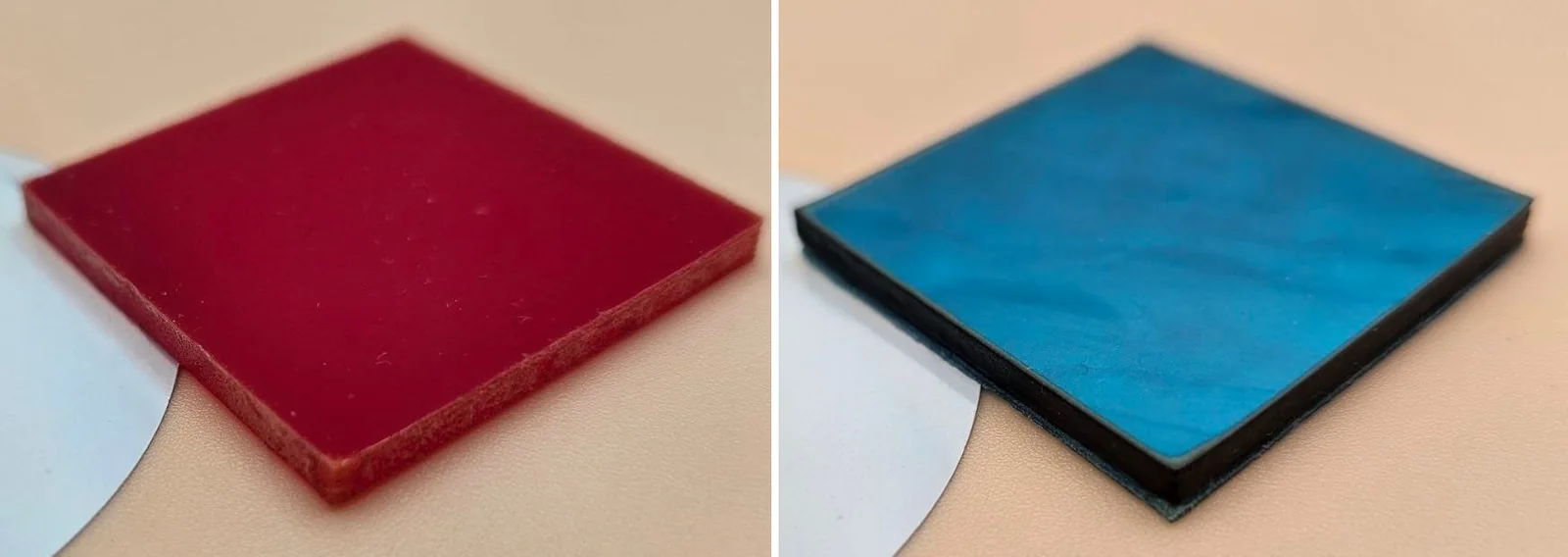
- Cast acrylic engraves to a frosted white, good for signs and ornaments with text.
- Extruded acrylic cuts with a glossy, flame-polished edge and costs less, but engraves less evenly.
- Diode lasers cannot cut clear or blue acrylic: the blue light passes through. Opaque dark colours cut on a diode; clear acrylic needs a CO2 laser.
- Leave the protective film on while cutting to keep the surface clean, and peel it where you engrave.

3. Leather and leatherette
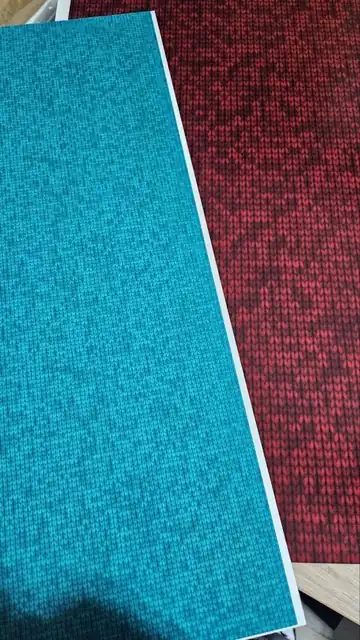
- Vegetable-tanned leather engraves and cuts well. It smells strongly while cutting, so ventilation matters.
- Chrome-tanned leather contains chromium salts; avoid lasering it.
- Faux leather is often PVC, which must never be lasered. Use leatherette sold as laser-safe, which is made for engraving.
4. Paper and card
Paper and card cut at low power and high speed, which makes them good for gift tags, invitations and papercraft. They catch fire easily: use air assist, hold the sheet flat with pins or a honeycomb bed, and stay at the machine for the whole job.
5. Never laser cut these
| Material | Also sold as | Why |
|---|---|---|
| PVC | Vinyl, faux leather, some foam board and signs | Releases chlorine gas, which forms hydrochloric acid: harmful to breathe and corrodes the machine |
| Adhesive vinyl | Sign vinyl, sticker vinyl | Usually PVC |
| Polycarbonate | Lexan, Makrolon | Burns and turns yellow instead of cutting |
| ABS | Many 3D printing and toy plastics | Melts and gives off toxic fumes |
| HDPE | Milk bottles, some cutting boards | Melts and catches fire |
| Polystyrene foam | Styrofoam, packing foam | Catches fire |
| PTFE | Teflon | Gives off toxic fluorine fumes |
| Fibreglass and coated carbon fibre | Circuit boards, composite sheets | Toxic fumes and dust |
If you cannot confirm what a material is, do not cut it. Ask the supplier for its safety data sheet.
Safety at the machine
- Vent fumes outside or through a filter rated for your materials.
- Keep a fire extinguisher within reach and never leave a running laser alone.
- Wear safety glasses rated for your laser's wavelength when the lid is open or the machine is unenclosed.
Next steps and project ideas
Common questions
What materials should you never laser cut?
PVC and anything made of it, including vinyl and most faux leather, plus polycarbonate, ABS, HDPE, polystyrene foam, PTFE (Teflon), fibreglass and coated carbon fibre. They give off toxic fumes, catch fire or damage the machine.
Can a diode laser cut acrylic?
Only opaque, dark acrylic. A diode laser's blue light passes through clear and blue acrylic, so those need a CO2 laser.
Is faux leather safe to laser?
Only if it is sold as laser-safe. Much faux leather is PVC, which releases chlorine gas when lasered.
What is the best wood for laser cutting?
Laser-grade birch or basswood plywood. It cuts cleanly, engraves with good contrast and has no hidden glue pockets.
Was this guide helpful?
Keep up with MyLaserTools.
Email me about new tools, product updates, tutorials, and occasional MyLaserTools offers. Unsubscribe at any time.
© 2026 MyLaserTools.com. All rights reserved.