

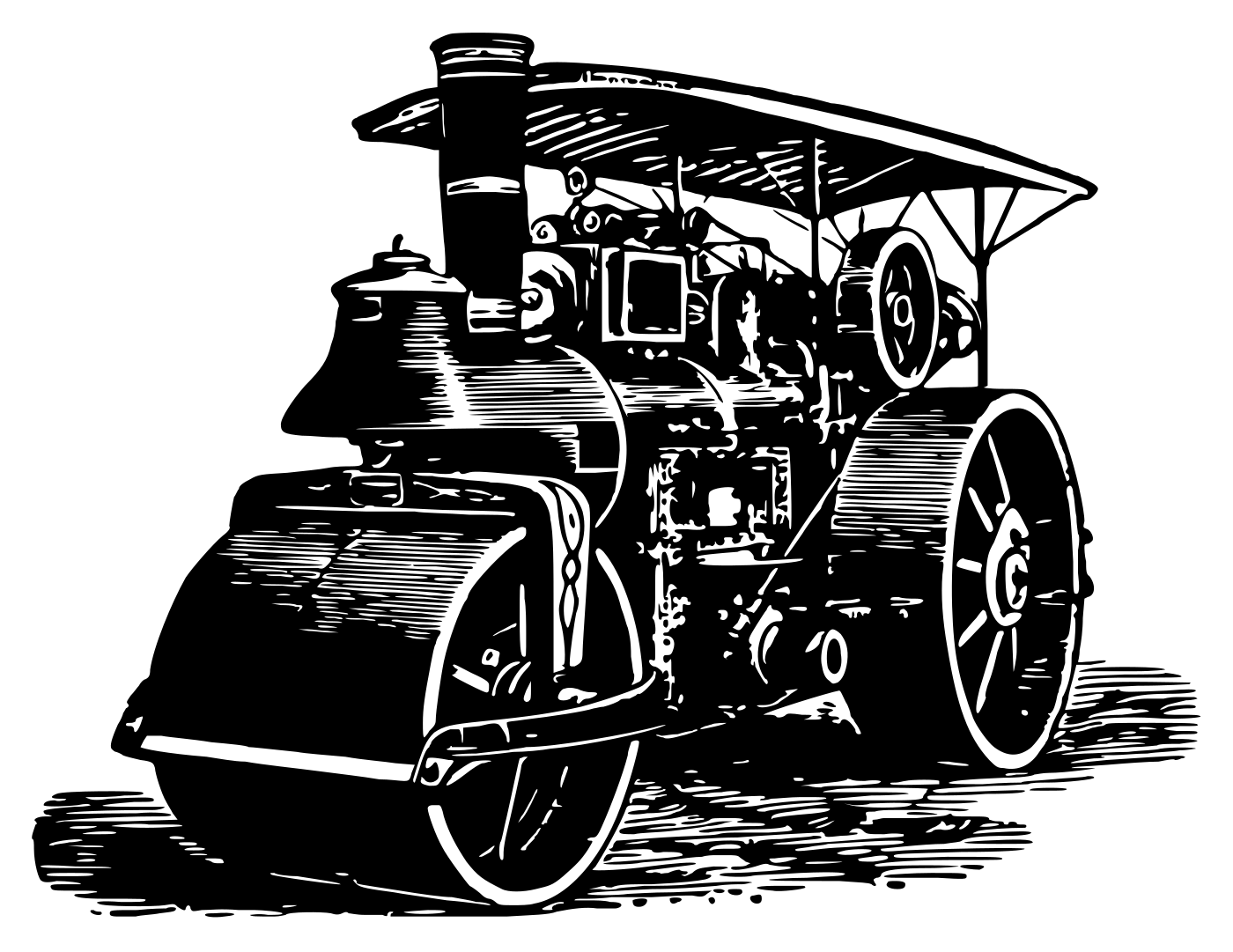
Most of these pieces began life on the page of an old book.
Someone engraved these lines by hand, a century or three ago, and a printer pressed them into books that have waited on library shelves ever since. We open those books, lift the pictures off the page and trace them into clean vectors, so artwork from as far back as 1535 can be cut, engraved or printed in your workshop today. The library holds 21,503 files from 79 books, alongside a few collections we draw ourselves and patterns we license.
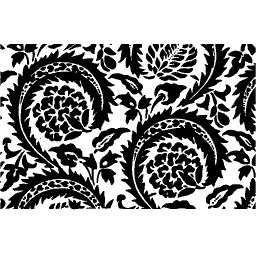
What the library holds
Counted from the published catalogue. A piece that lives in several collections is counted once, and the book tally includes volumes whose artwork is still on its way.
Files in the catalogue
Books in the source registry
The years those books were printed
Collections, before mood, motif and season gather across them
Alphabets rebuilt letter by letter from lettering plates
Where the books come from
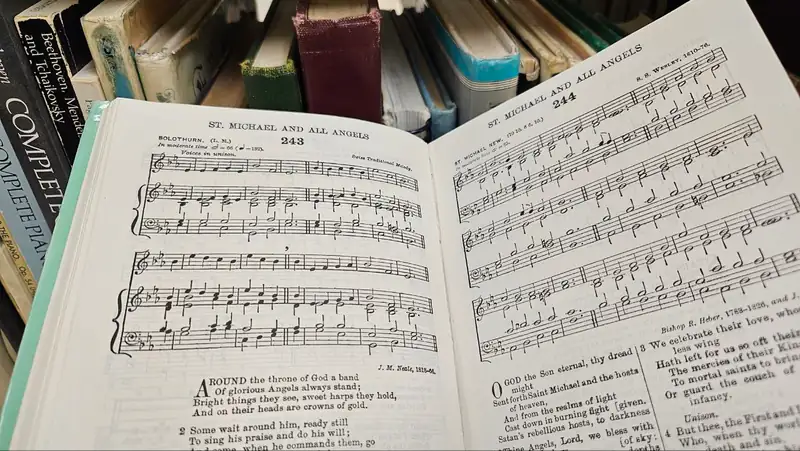
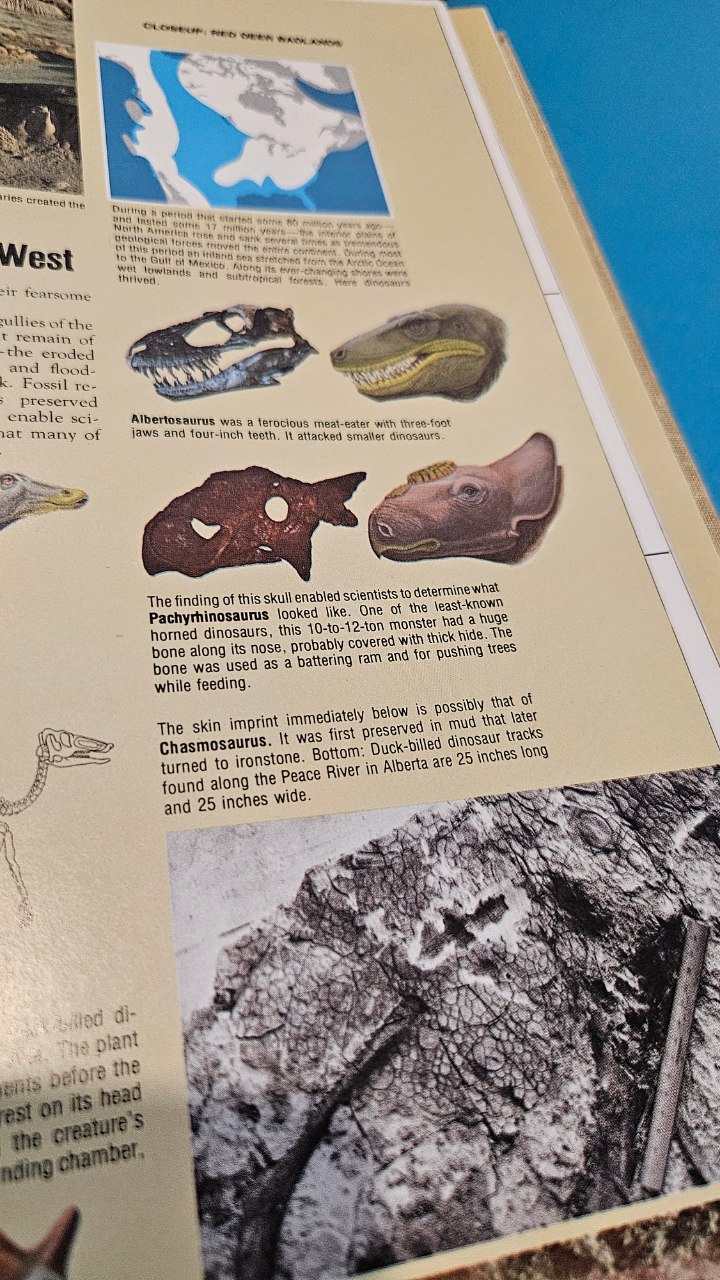
Before anything is traced, there are long afternoons in libraries and archives, pulling volumes off the shelf to see what is inside. Most of what we open never makes it in. These are a few of those afternoons.
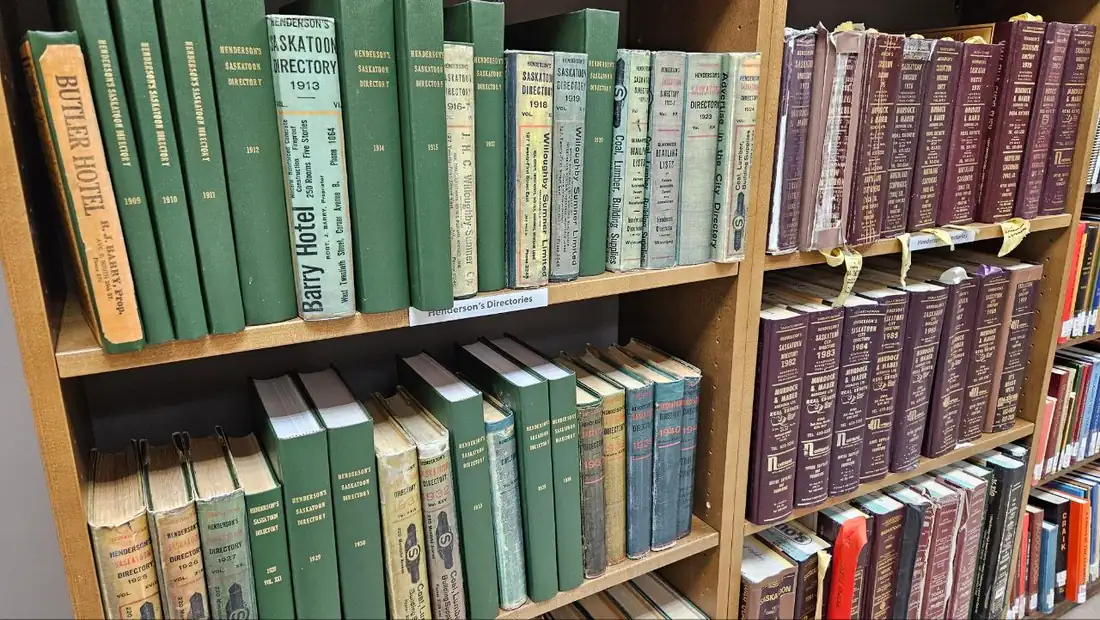
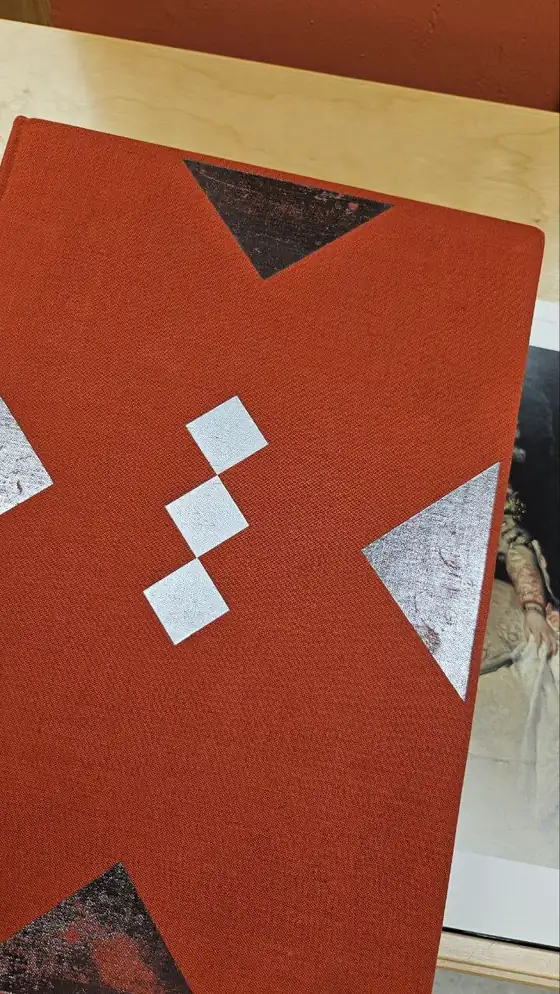
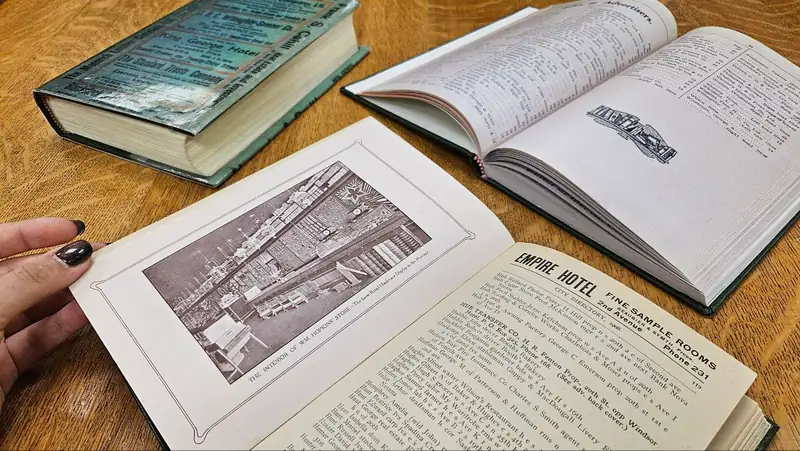
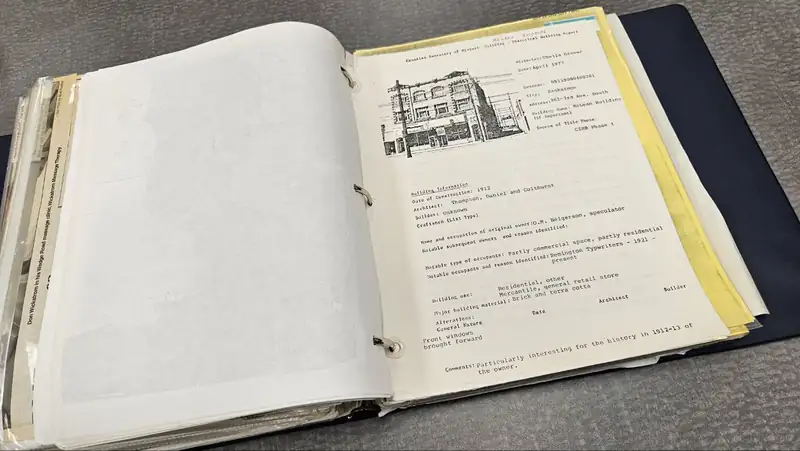
How a piece gets here
Six passes stand between a dusty library scan and a file your machine can read. Plenty of books fall away along the road, and the pieces that make it carry their story with them.
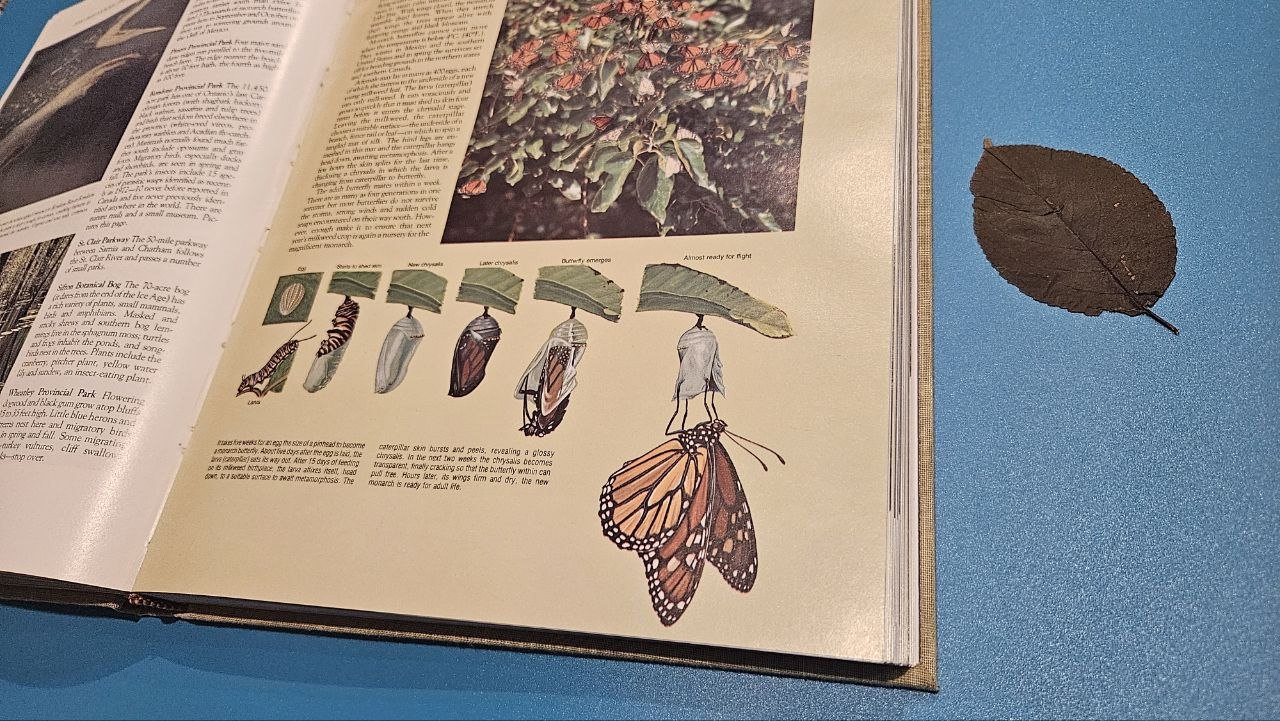
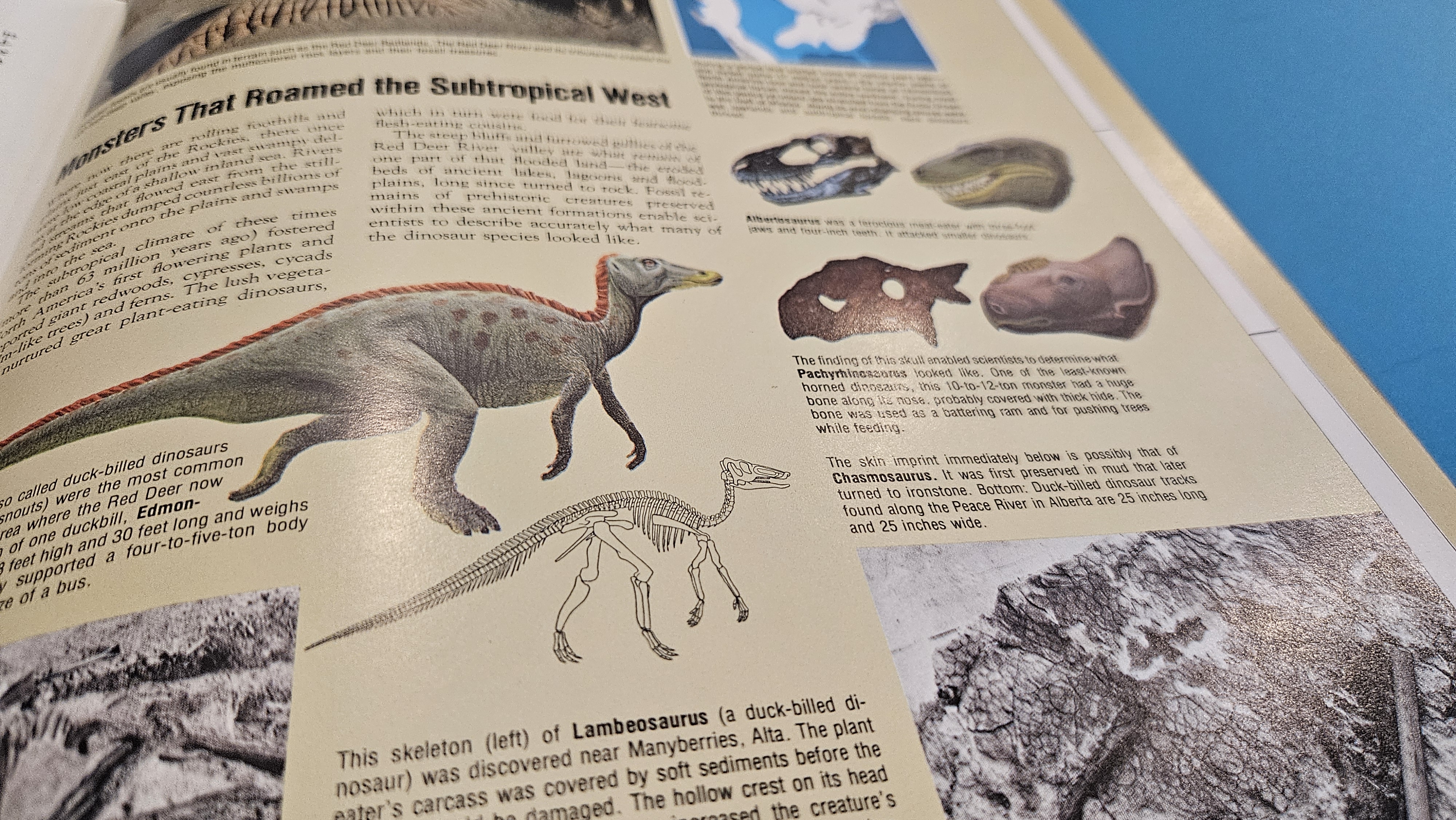
This is where the story begins: an old book opened carefully, with every margin and crease still part of the evidence.
From page to piece
We choose the book
It starts with a book worth opening: a flora, a bird atlas, a pattern book from a Victorian printer. We record who made it, which edition it is and what its rights look like, because a publication date alone does not make a picture free to use everywhere.
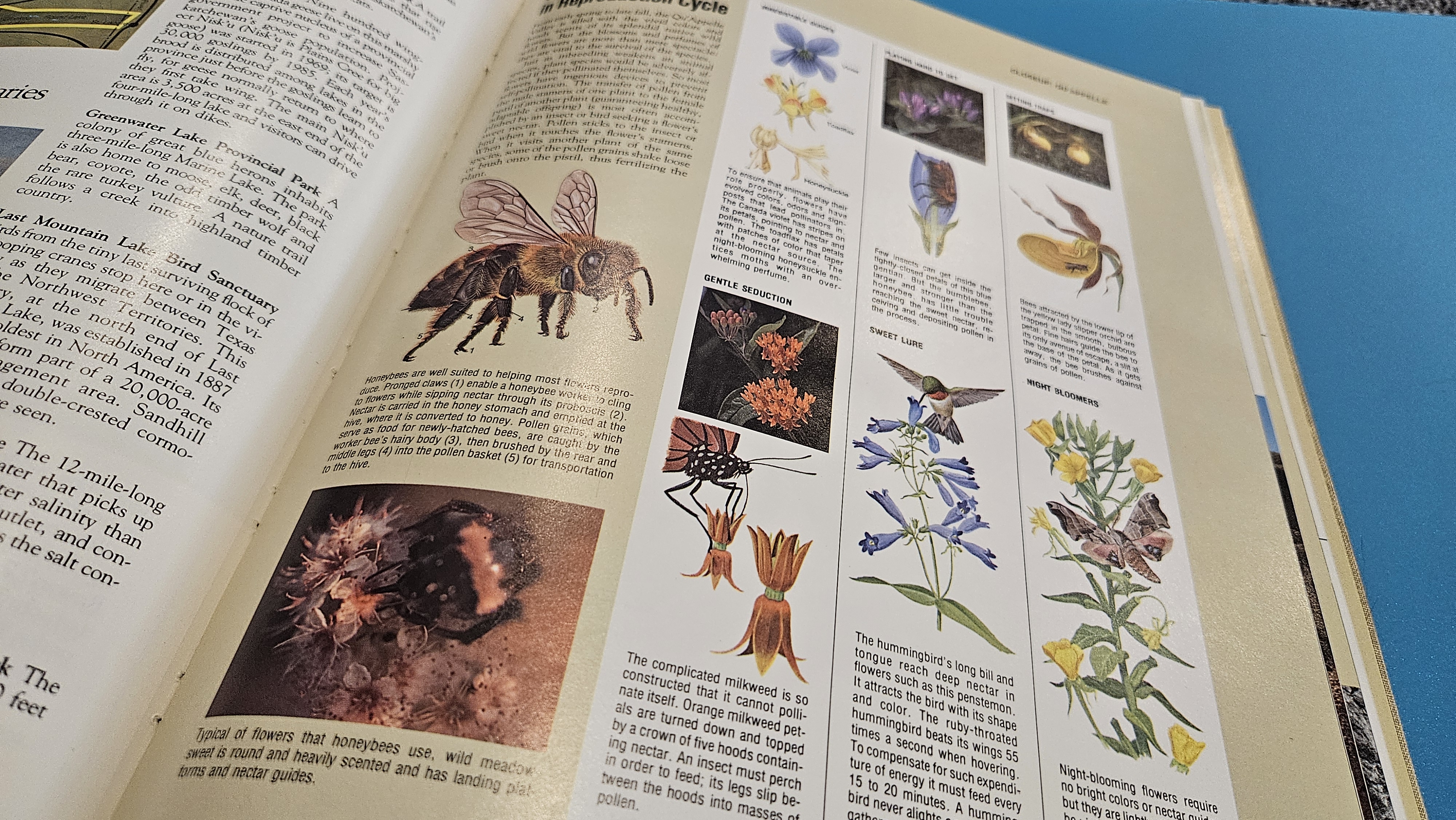
From a printed page to a clean line
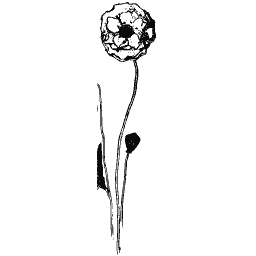
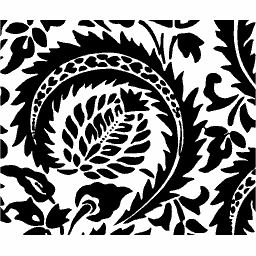
It starts with a scanned page, paper tone, foxing and all. Tracing software follows each engraved line and turns it into a vector path, and we clean away what the scanner caught along the way. The artwork itself still belongs to history: tracing it gives nobody exclusive rights to the original.
Not every book makes it through. Worn plates, faint scans and unclear rights keep pieces out, and even the ones that pass deserve a test cut on your own material first.
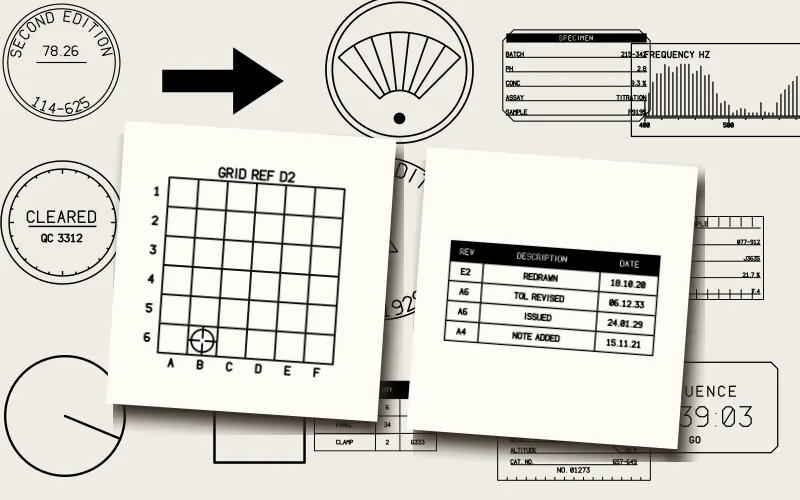
The micrographics and technical marks are drawn by us with vector tools, and some seamless panels use patterns by other designers, credited on each piece. None of it comes from an AI prompt. Source licenses and notices still apply.
Search the library from your AI assistant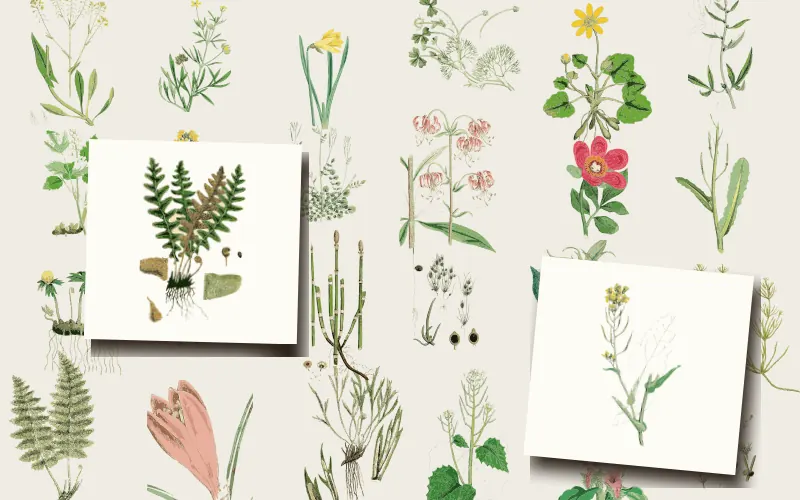
What is inside
Five kinds of artwork, waiting for your cutter, your engraver or your printer.
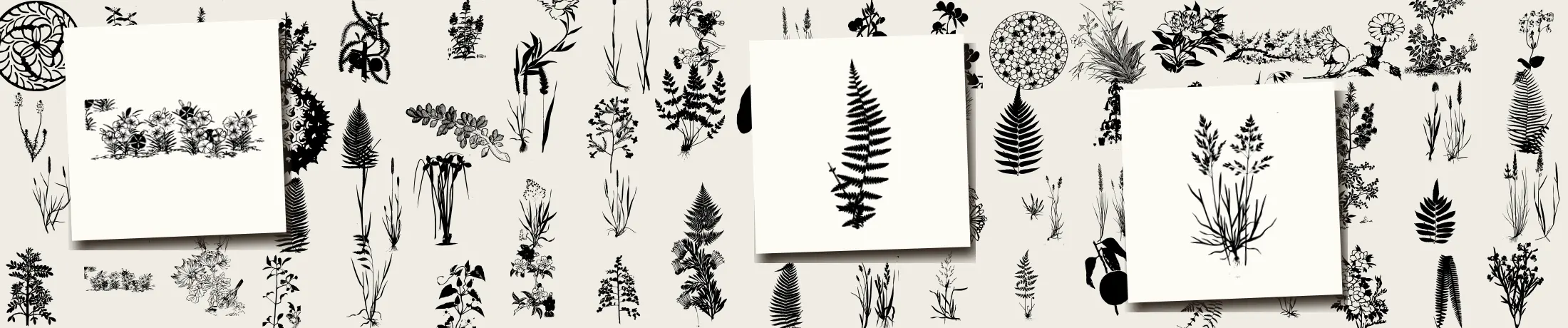
Engraved line art
The heart of the library. Botanical plates, birds, ornament, heraldry, anatomy and the art of Japan and China, all as clean SVG paths a laser reads as line work.
Colour plates
Hand-coloured lithographs traced one colour at a time, every fill its own shape, ready to print, to cut as inlay, to stack as layered art or to strip back to outline.
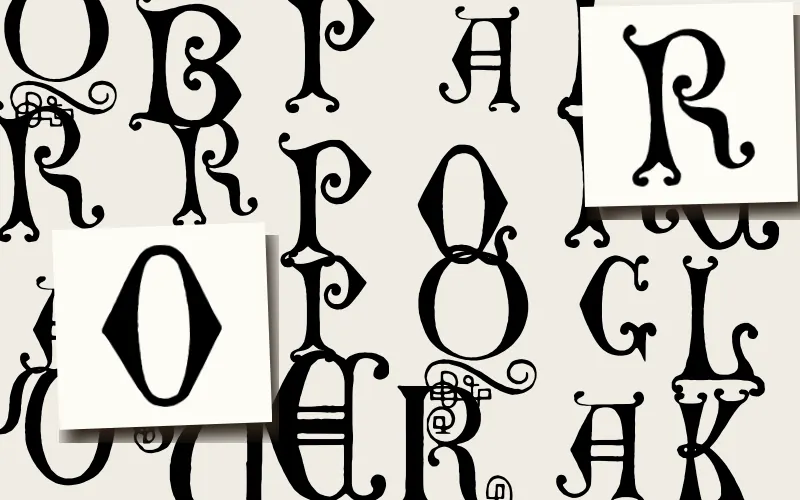
Alphabets
232 typefaces rebuilt letter by letter from old lettering books and fitted as real fonts, so every text tool on the site can set them.
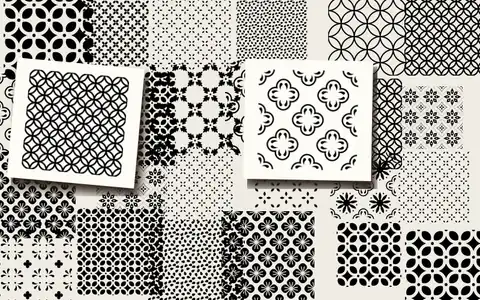
Seamless panels
Squares that tile without a visible seam, for dressing a panel, a lid or a background at any size.
Drawn here
Micrographics and technical marks we draw ourselves, and seamless panels that pair our layouts with patterns credited on each piece. These collections open with an account; any source license and notices still apply.
What this library is
- An archive of traced antique artwork, our own vector drawings and licensed patterns.
- Files prepared for the laser, the cutter and the printer.
- Yours to use in personal and commercial work, within each piece's license.
- Every piece names its source, along with any notice you need to keep.
What it is not
- A stock site. Nobody uploads to it but us.
- A claim to own history. Tracing an old picture gives nobody exclusive rights to it.
- A pile of raw scans. A photo of a page is not a file you can cut.
- A grant of exclusive rights to historical artwork or to anyone else's patterns.
Yours to use, in your own work
Use downloads in personal and commercial projects, with no watermark. Some pieces carry their own terms: patterns under the MIT license must keep their copyright and permission notice with any digital copies you share. Read the license on each piece before you redistribute files.
Read the full license
Come and have a look
Everyone is welcome to browse. The collections we draw ourselves are free with an account; other artwork opens with sparks or a Supporter or Pro membership.
Browse the libraryKeep up with MyLaserTools.
Email me about new tools, product updates, tutorials, and occasional MyLaserTools offers. Unsubscribe at any time.
© 2026 MyLaserTools.com. All rights reserved.